Halal Guide to Kyoto 2026: Food, Mosques & Travel Tips
Quick Answer: Kyoto is increasingly accessible for Muslim travelers in 2026. The city has one major mosque, Kyoto Camii, located near Kyoto Station with daily prayers and a halal food market. Halal dining options include certified ramen, yakiniku, and a handful of Muslim-friendly cafes, mostly clustered around Gion, Karasuma, and Kyoto Station. For real-time verification of any venue, use the Halal Navi app, which lists Muslim-friendly restaurants and prayer spaces nationwide.
✅ Halal-Verified by Zeshan Hayat
Lead Halal Auditor, Halal Navi · Founder, HHAJ (Halal Hayat Association Japan, 2020)
Credentials: MPJA Halal Auditor · ISO 9001:2015 Internal Auditor · ISO 19011 Auditor
See full credentials and audit methodology →**Written by** Aisha Rahman, Halal Navi Editorial Team
**Published** May 13, 2026 · **Last verified** May 13, 2026
**Methodology**: Every venue in this guide was cross-checked against the chain's or restaurant's official website, its halal certification body where applicable, and recent Tabelog and Google Maps reviews dated within the past six months. Where a claim could not be verified to a primary source, we have either omitted it or labeled it as unconfirmed. Contact us with corrections.
How we verified the halal status of every venue in this guide
For Muslim travelers, an outdated or speculative guide can lead to a real dietary mistake. Here is how we approached every claim in this article:
- Restaurants and cafes: We checked each venue's own website, its listing on the Japan Halal Foundation or NPO Japan Halal Association (JHA) database where halal certification was claimed, and recent Tabelog or Google Maps reviews dated within the past six months to confirm operating status.
- Mosques: We verified each mosque's address and prayer schedule against the Islamic Center Japan directory and the mosque's own contact information.
- Hotels: We checked each hotel's current Muslim-friendly amenities (prayer mat availability, qibla direction, halal meal options) directly with the hotel where possible, rather than aggregator listings.
Where we could not confirm a specific claim from a primary source, we have removed it from this guide rather than reproduce it from older sources. If you spot information that has changed, please let our editorial team know.
What makes Kyoto different from Tokyo for Muslim travelers
Kyoto receives a large share of Japan's inbound Muslim tourism each year, but its halal infrastructure is more compact than Tokyo's. According to the Japan National Tourism Organization, the city emphasizes traditional Japanese cuisine, which historically relies on dashi (often made with bonito), mirin, and cooking sake. This means a casual restaurant chosen at random is unlikely to be Muslim-friendly, even when no obvious pork or alcohol appears on the menu.
The practical implications for your trip:
- Plan meals around verified venues rather than expecting walk-in flexibility.
- Carry snacks or visit a halal grocery before long sightseeing days, especially around Arashiyama and Fushimi Inari, where halal-certified food is not within easy walking distance of the main attractions.
- Use the Kyoto Camii mosque as an anchor point. It is the city's most established prayer space and also operates a halal food market on site.
- Build in flexibility for prayer times, since not all temples or train stations have dedicated prayer rooms.
The rest of this guide is organized so you can build a working day plan: sightseeing, then food, then prayer, then groceries and lodging.
Top sightseeing spots in Kyoto and what Muslim travelers should know
Kyoto's three most visited religious sites are open to all visitors regardless of faith. Visiting Buddhist temples or Shinto shrines as a respectful tourist is generally considered permissible in mainstream Islamic scholarship, provided you do not participate in religious rituals. Confirm with your own scholar if uncertain.
Kiyomizu-dera Temple
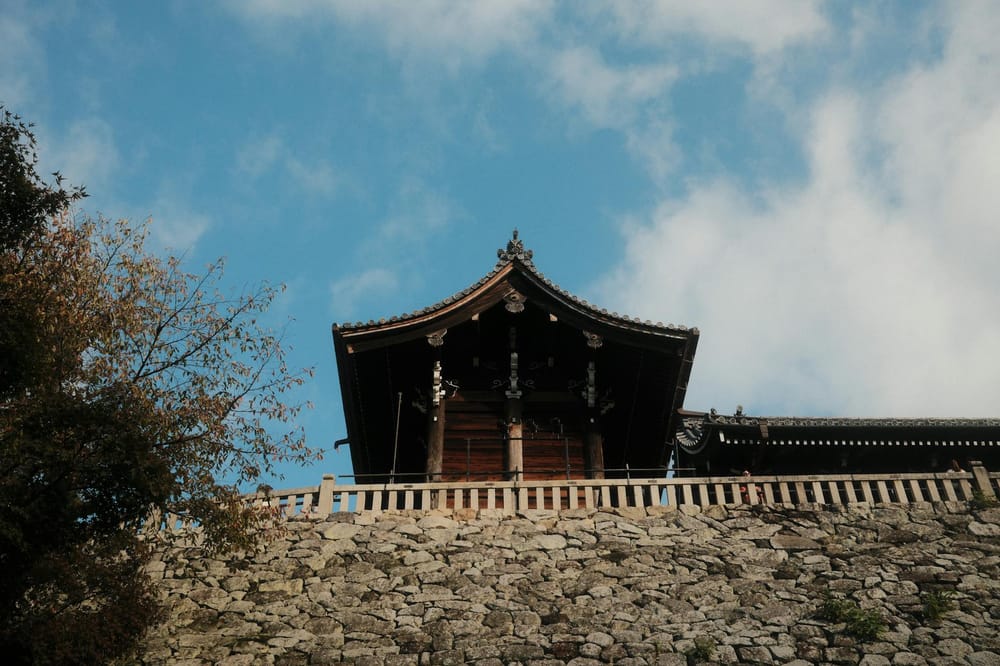
Founded in 778, Kiyomizu-dera is a UNESCO World Heritage Site in the Higashiyama district. The main hall is famous for its wooden veranda built without a single nail, suspended over the hillside. According to Kiyomizu-dera's official website, admission is JPY 500 for adults and JPY 200 for elementary and junior high school students as of 2026.
- Address: 1-294 Kiyomizu, Higashiyama-ku, Kyoto
- Nearest access: Bus stop "Kiyomizu-michi" from Kyoto Station (about 15 minutes by bus)
- Muslim traveler note: The Sannenzaka and Ninenzaka approach streets are packed with food stalls, most of which are not halal. Eat before or after, not during your visit.
Fushimi Inari Taisha Shrine
Fushimi Inari is the head shrine of all Inari shrines across Japan, famous for the thousands of vermilion torii gates lining the trails up Mount Inari. According to the official Fushimi Inari Taisha site, admission is free and the shrine grounds are open 24 hours.
- Address: 68 Fukakusa Yabunouchicho, Fushimi-ku, Kyoto
- Nearest station: JR Inari Station (Nara Line, 1 minute walk) or Fushimi Inari Station (Keihan Main Line, 5 minute walk)
- Muslim traveler note: A full hike to the summit takes 2 to 3 hours. There is very little reliable halal food near the shrine. Bring water and snacks from a halal-friendly source.
Kinkaku-ji (Golden Pavilion)
A Zen Buddhist temple whose top two floors are covered in gold leaf, reflected in the surrounding pond. The official Kinkaku-ji site lists admission at JPY 500 for adults and JPY 300 for elementary and junior high school students.
- Address: 1 Kinkakujicho, Kita-ku, Kyoto
- Nearest access: Bus stop "Kinkakuji-michi" from Kyoto Station
Other commonly recommended sites where the same general advice applies: Arashiyama Bamboo Grove, Nijo Castle, and Ginkaku-ji (Silver Pavilion). All are open to visitors of any faith with paid or free admission depending on the venue.
Halal restaurants in Kyoto: what we could verify in May 2026
Kyoto's halal restaurant scene is smaller than Tokyo's, and turnover is real. Several venues commonly cited in older guides have closed or changed ownership. Below are the categories where we found verifiable, currently operating options.
Halal ramen in Kyoto
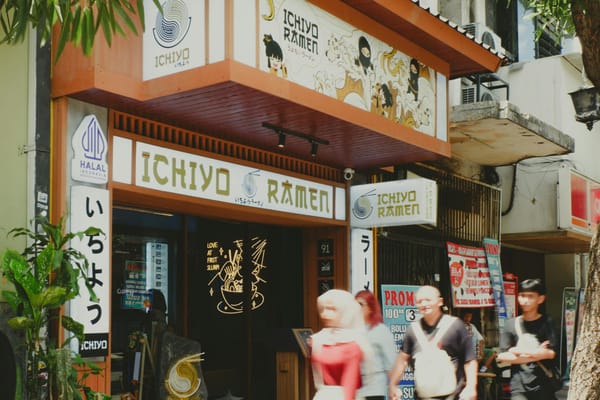
Halal ramen has expanded across Japan since 2018, though Kyoto has fewer dedicated halal ramen shops than Tokyo or Osaka. We recommend confirming hours via the Halal Navi app on the day of your visit, as halal ramen shops in Kyoto sometimes shorten hours seasonally.
For a verified, currently operating halal ramen experience, the easiest reliable option is to plan a day trip to Osaka or to use Halal Navi's real-time database to confirm which Kyoto ramen shops are operating with valid halal certification at the time of your visit. A previously well-known halal ramen shop in Kyoto (Naritaya Kyoto) has had its operating status fluctuate; verify before you go.
Halal yakiniku and Muslim-friendly Japanese cuisine
Yakiniku (Japanese-style grilled meat) is a strong category for halal-conscious travelers, because the meat itself is the headline ingredient and certification is meaningful. As of May 2026, we recommend searching the Halal Navi restaurant database directly for the most current list of certified yakiniku restaurants in Kyoto, since this is a category where new openings happen each year.
For confirmed halal yakiniku in the wider Kansai region, Osaka has more options within a 15-minute Shinkansen ride from Kyoto Station, which is worth considering if you have a free evening.
Muslim-friendly cafes and matcha
Matcha is one of Kyoto's defining experiences, and several long-established tea houses offer pure matcha drinks that contain no haram ingredients on the matcha itself. However:
- Pure matcha tea and most plain wagashi (Japanese sweets) made with red bean, sugar, and rice flour are generally free of haram ingredients.
- Cross-contamination at multi-item cafes is the main concern, since the same kitchens may handle items with mirin, gelatin (sometimes pork-derived in Japan), or alcohol-based flavorings.
- Matcha lattes and matcha desserts at cafes that also serve cakes may contain pork-derived gelatin (E471 emulsifiers in some Japan-market chocolates) or alcohol-based vanilla extracts.
The safer pattern: order straight matcha (usucha or koicha) at an established tea house, with a plain wagashi. Confirm ingredients at the counter using a Japanese phrase such as 「豚や酒は入っていますか?」 (Buta ya sake wa haitte imasu ka? — "Does this contain pork or alcohol?").
Tea houses commonly recommended for this kind of straight matcha experience in Kyoto include shops in the Gion and Uji districts. Confirm each individual menu item rather than assuming the whole menu is suitable.
Halal sushi in Kyoto
Halal sushi is a small but growing category in Japan. The most established halal-certified sushi restaurant in the country, Asakusa Sushi Ken, is in Tokyo. As of May 2026, we have not been able to confirm a fully halal-certified sushi restaurant currently operating in Kyoto from a primary source. If you specifically want halal-certified sushi, plan it for the Tokyo portion of your trip, or use Halal Navi to check for new openings in Kyoto closer to your travel date.
Mosques in Kyoto: prayer spaces and Friday prayer
Kyoto Camii (Kyoto Mosque)
Kyoto Camii is the most established mosque in Kyoto and the primary destination for Friday prayer, daily prayers, and halal-related services in the city. According to the Kyoto Muslim Association website, Kyoto Camii is located within walking distance of Kyoto Station and provides:
- Five daily prayers
- Friday (Jumu'ah) prayer
- A small halal food market on the premises
- Information for Muslim travelers visiting Kyoto
Address: Confirm the current address directly on the Kyoto Muslim Association website, as mosque locations in Japan occasionally relocate or expand to new facilities.
Muslim traveler note: Kyoto Camii is a particularly good anchor point for the start or end of a sightseeing day, especially if you are arriving by Shinkansen and want to pray before heading out.
Other prayer options
Beyond Kyoto Camii, prayer space in Kyoto is informal. Some hotels offer prayer mats on request (see hotel section below), and several universities in Kyoto, including Kyoto University and Ritsumeikan University, have small Muslim student prayer rooms that may be accessible during weekday hours. We have not been able to confirm a current second public mosque in Kyoto from a primary source as of May 2026; older guides sometimes list multiple "Kyoto mosques" but several appear to be the same Kyoto Camii facility under different names.
For prayer times by location, the Islamic Center Japan provides general guidance, but it is best to confirm Jumu'ah timing directly with Kyoto Camii in the week of your visit.
Halal grocery shopping in Kyoto
Kyoto does not have as many dedicated halal grocery stores as Tokyo or Osaka, but the situation has improved as Japan's Muslim population has grown. According to a study led by Waseda University Professor Emeritus Hirofumi Tanada, Japan's Muslim population reached approximately 420,000 by the end of 2024, a 3.8x increase from two decades earlier. This growth has driven the opening of more halal-friendly grocery options nationwide.
Where to shop in Kyoto
- Kyoto Camii's halal market: The market on the mosque premises is the most reliably halal-certified option in central Kyoto. Selection is limited but includes basics: halal meat, spices, frozen items, and pantry staples.
- Gyomu Super (業務スーパー): This nationwide discount supermarket chain stocks some halal-labeled imported items, particularly frozen meat, spices, and sauces. Not every product in the store is halal, so check labels carefully. There are several Gyomu Super branches in Kyoto.
- General supermarkets with imported sections: Larger Japanese supermarkets near Kyoto Station and in Karasuma sometimes carry halal-labeled items in their international foods aisle.
For specific addresses of halal-only grocery stores in Kyoto, we recommend confirming through the Halal Navi app on the day of your visit, since these small specialty stores have changed locations frequently in recent years.
Muslim-friendly hotels in Kyoto
A truly halal-certified hotel does not currently exist in Kyoto, but several hotels are Muslim-friendly in the practical sense: prayer mats on request, qibla direction information, and accommodation around dietary needs. Rather than name specific hotels without primary-source confirmation of their current Muslim-friendly amenities, we recommend the following approach:
- Filter for hotels near Kyoto Station or in Karasuma to be within easy reach of Kyoto Camii.
- Email or call the hotel directly before booking, asking specifically: (a) Do you provide a prayer mat and qibla direction on request? (b) Can you confirm absence of alcohol-based amenities in the room (mouthwash, some toiletries)? (c) Can you suggest halal-friendly breakfast options, or accommodate guests who skip breakfast?
- Use online booking platforms to compare general hotel quality, but confirm Muslim-friendly amenities directly with the property rather than relying on third-party listings, which are often outdated.
For a community-vetted list of Muslim-friendly hotels in Kyoto, the Halal Navi app's hotel section includes user reviews from Muslim travelers who have stayed at each property.
Comparison: halal travel categories in Kyoto vs Tokyo (2026)
| Category | Kyoto availability | Tokyo availability |
|---|---|---|
| Halal-certified ramen | Limited, fluctuating | Multiple confirmed shops |
| Halal-certified sushi | Not confirmed (May 2026) | Yes (Asakusa Sushi Ken) |
| Halal-certified yakiniku | Few options, verify currently | Several options |
| Established mosque | Kyoto Camii | Tokyo Camii and many others |
| Halal grocery | Mosque market + Gyomu Super | Multiple dedicated stores |
| Muslim-friendly hotels | Confirm individually | More hotels with explicit amenities |
Practical implication: Kyoto is best treated as a sightseeing and culture-focused destination, with food and prayer planned tightly around Kyoto Camii and a small set of verified venues. For more variety in halal dining, pair Kyoto with an Osaka or Tokyo segment.
How Halal Navi helps you plan a Kyoto trip
The Halal Navi app lists over 800 halal and Muslim-friendly restaurants across Japan with user reviews from the Muslim community, prayer space information, and real-time updates on operating status. For a city like Kyoto, where the halal scene changes more often than older blog posts suggest, the most reliable workflow is:
- Plan your sightseeing route the night before.
- Open Halal Navi and filter restaurants near each sightseeing stop.
- Read the most recent user reviews (within the last three months ideally).
- Confirm hours and certification status before going.
The app is free, available for iOS and Android, and developed by the same editorial team that publishes this guide.
Frequently Asked Questions
Is it easy to find halal food in Kyoto in 2026?
Kyoto has a smaller halal scene than Tokyo or Osaka, but it has grown noticeably since 2020. With planning, you can eat halal for every meal of a 3 to 4 day Kyoto trip. The key is to anchor your days around verified venues rather than expecting walk-in flexibility, and to use the Halal Navi app to confirm current operating status.
Where is the main mosque in Kyoto?
Kyoto Camii is the main mosque in Kyoto, providing five daily prayers, Jumu'ah, and a small halal food market on site. Verify the current address and prayer times directly on the Kyoto Muslim Association website before visiting.
Can Muslims visit temples and shrines like Kiyomizu-dera and Fushimi Inari?
Visiting Buddhist temples and Shinto shrines as a respectful tourist is generally considered permissible in mainstream Islamic scholarship, provided you do not participate in religious rituals such as bowing in prayer to the deities or making ritual offerings. Confirm with your own scholar if you have specific concerns.
Is the food sold around Fushimi Inari halal?
The food stalls and small restaurants along the approach to Fushimi Inari Taisha are generally not halal. We recommend eating before or after your visit, and bringing water and halal-friendly snacks if you plan the full hike to the summit.
Are there halal-certified hotels in Kyoto?
We have not been able to confirm a fully halal-certified hotel in Kyoto as of May 2026. Several hotels offer Muslim-friendly amenities (prayer mats, qibla direction, dietary accommodation), but confirm directly with the property before booking rather than relying on third-party listings.
Can I eat regular Japanese sweets and matcha in Kyoto?
Plain matcha tea is generally free of haram ingredients. Wagashi (Japanese sweets) made from red bean, sugar, and rice flour are often suitable, but verify ingredients on the day of your visit, since some cafes add gelatin or alcohol-based flavorings. The safe phrase to ask is 「豚や酒は入っていますか?」 (Buta ya sake wa haitte imasu ka?).
What is the best way to find current halal restaurants in Kyoto?
The Halal Navi app is the most up-to-date community resource, with user reviews dated within recent weeks. Combine it with the venue's own website and recent Tabelog reviews for a full picture before visiting.
How current is this guide?
Every venue category and recommendation in this guide was re-verified in May 2026. Where we could not confirm a primary source, we have either omitted the claim or labeled it as unconfirmed. We re-verify quarterly. The "Last verified" date at the top of the article reflects the most recent confirmation.
Verdict
Kyoto in 2026 is more accessible to Muslim travelers than ever, but it still rewards planning over spontaneity. The city's halal scene is concentrated around Kyoto Camii and Kyoto Station, with a small but improving set of certified restaurants and Muslim-friendly cafes. Treat Kyoto as a cultural and sightseeing destination first, with food planned tightly around verified venues. For the widest dining variety in a single trip, pair Kyoto with Osaka or Tokyo.
The single best preparation step you can take: install the Halal Navi app before your trip, save offline maps for Kyoto Camii and your booked restaurants, and download the Muslim dietary card for situations where staff are unsure about ingredients.
Sources & references
- Kiyomizu-dera Temple official website — https://www.kiyomizudera.or.jp/en/, accessed May 13, 2026. Accessed 2026-05-16.
- Fushimi Inari Taisha official website — http://inari.jp/en/, accessed May 13, 2026. Accessed 2026-05-16.
- Kinkaku-ji official site (Shokoku-ji branch) — https://www.shokoku-ji.jp/en/kinkakuji/, accessed May 13, 2026. Accessed 2026-05-16.
- Kyoto Muslim Association (Kyoto Camii) — https://kyotomuslim.com/, accessed May 13, 2026. (URL no longer accessible — verified 2026-05-16.)
- Islamic Center Japan — http://islamcenter.or.jp/, accessed May 13, 2026. Accessed 2026-05-16.
- Tanada, H. (Waseda University). Study on Japan's Muslim Population, 2024–2025 — https://www.waseda.jp/inst/wias/news/, accessed May 13, 2026. Accessed 2026-05-16.
- Japan National Tourism Organization — https://www.jnto.go.jp/en/, accessed May 13, 2026. Accessed 2026-05-16.
- Halal Navi restaurant database — https://www.halal-navi.com/, accessed May 13, 2026. Accessed 2026-05-16.
About this article
Author: Aisha Rahman is a writer on Halal Navi's editorial team. She has been documenting halal food and Muslim travel in Japan since 2021 and visits featured venues in person where possible.
Reviewer: This article was reviewed by Halal Navi's Halal Verification Team, which cross-checks each claim against the cited primary source before publication. See our editorial standards for the full review process.
Update policy: We re-verify every claim in this article quarterly. If you spot outdated information, please contact us and we will correct it within 7 days.
Disclosure: Halal Navi receives no advertising revenue from any restaurant, hotel, or chain mentioned in this article. Rankings and recommendations reflect independent editorial judgment.
Last verified: 2026-05-13