Muslim-Friendly Okayama: 2026 Travel Guide & Things to Do
Quick Answer: Okayama Prefecture, in western Japan, operates its own Muslim-Friendly Certificate scheme called the "Peach Mark" (ピーチマーク), administered by the prefectural tourism authority. Certified restaurants, hotels, and shops in Okayama City, Kibichuo Town, and Maniwa City commit to standards like halal-conscious menus, English-language information, and prayer or wudu facilities. Beyond the certification program, Okayama offers Korakuen Garden (one of Japan's "Three Great Gardens"), Kibitsu Shrine, the Hiruzen highlands, Yubara Onsen, and seasonal peach and Muscat grape picking. This guide explains how the Peach Mark works and shares 18 verified activities for Muslim travelers in 2026.
✅ Halal-Verified by Zeshan Hayat
Lead Halal Auditor, Halal Navi · Founder, HHAJ (Halal Hayat Association Japan, 2020)
Credentials: MPJA Halal Auditor · ISO 9001:2015 Internal Auditor · ISO 19011 Auditor
See full credentials and audit methodology →**Written by** Aisha Rahman, Halal Navi Editorial Team
**Published** May 13, 2026 · **Last verified** May 13, 2026
Information in this guide is verified against the official Okayama Prefecture tourism site, the Korakuen Garden official site, and each venue's own website where available. Activity availability and farm hours change seasonally — confirm before visiting.
How we verified the information in this guide
For halal travel content, the source matters more than the description. Here is what we checked for this article:
- Okayama's Peach Mark Muslim-Friendly Certificate was confirmed via the Okayama Prefecture official tourism site, which maintains the public list of certified venues across Okayama City, Kibichuo Town, and Maniwa City.
- Each landmark's operating status (Korakuen Garden, Okayama Castle, Kibitsu Shrine, Kanba Falls, Yubara Onsen, Hiruzen highlands) was re-checked against the venue's own official site and the Okayama tourism portal in May 2026.
- The GREENable Hiruzen architect attribution to Kengo Kuma was confirmed via the GREENable Hiruzen official site.
- Kanba Falls dimensions (110 m height) and seasonality were confirmed via the Maniwa City tourism page.
- Fruit farms are flagged with a "verify seasonally" note because hours and pricing change yearly; we cite each farm's own listing on the Okayama tourism portal.
If you spot information that has changed, please contact the Halal Navi editorial team. We re-verify travel guides quarterly.
What is Okayama's "Peach Mark" Muslim-Friendly Certificate?
The Peach Mark (ピーチマーク) is a Muslim-friendly certification operated by Okayama Prefecture's tourism arm. Unlike halal certifications issued by religious bodies such as the NPO Japan Halal Association (JHA) or the Japan Halal Foundation, the Peach Mark is a tourism-led Muslim-friendly designation, not a religious halal certification.
According to the Okayama Prefecture tourism site, Peach Mark venues commit to a set of practical standards:
- Offering menus that exclude pork and alcohol, with clear ingredient labeling
- Providing English-language menus or guidance
- Where applicable, offering prayer space and wudu (ablution) facilities
- Staff training on Muslim dietary and worship needs
Important distinction: A Peach Mark venue is not the same as a fully halal-certified venue. It is the prefecture saying "this place has been verified to be Muslim-traveler aware." For full halal certification (covering slaughtering method, supply chain, and cross-contamination), look for venues certified by JHA or Japan Halal Foundation. The Peach Mark is a useful first filter, especially in a region like Okayama where halal-certified venues are fewer than in Tokyo or Osaka.
Certified venues cluster in three areas:
| Area | What it covers | Typical reasons to visit |
|---|---|---|
| Okayama City | Korakuen Garden, Okayama Castle, central restaurants and hotels | Garden, history, transit hub |
| Kibichuo Town | Rural inland area | Horse riding, countryside experiences |
| Maniwa City | Hiruzen highlands and Yubara Onsen | Stargazing, snow sports, hot springs |
For the current list of Peach Mark venues, see the Okayama tourism site; the prefecture updates its registry directly.
How to get to Okayama and what to plan around
Okayama City sits on the Sanyo Shinkansen line, making it a straightforward stop between Tokyo and Hiroshima. From Tokyo Station, the Nozomi shinkansen reaches Okayama Station in roughly 3 hours 15 minutes; from Shin-Osaka, it is about 45 minutes; from Hiroshima, about 35 minutes. Schedules and fares are listed on JR Central's English booking site.
Once in Okayama City, Korakuen Garden and Okayama Castle are walkable from each other and accessible by the Okaden tram from Okayama Station. For Kibichuo and Maniwa City, a rental car is the most practical option, since rural Okayama is not densely served by trains.
Most Peach Mark hotels are in Okayama City, so many Muslim travelers base themselves there and day-trip outward. Book through the hotel's own website where possible, or use online booking platforms with halal-filter search to confirm prayer-facility availability.
18 verified things to do in Okayama for Muslim travelers
The following activities are organized by area to help you plan an itinerary. Each entry notes the location and, where useful, transit details. As of May 2026, all listed venues are operating, but seasonal activities (snow, fruit picking) follow nature's calendar, so confirm dates on the venue's site.
1. Tea ceremony at Korakuen Garden — Okayama City
Okayama Korakuen Garden is counted among Japan's "Three Great Gardens" alongside Kenrokuen in Kanazawa and Kairakuen in Mito. Tea ceremony sessions are offered seasonally at one of the tea houses within the garden; check the Korakuen calendar before visiting. Matcha is plant-based and generally considered permissible; the wagashi sweets served alongside are usually rice-flour and bean-paste based, but confirm ingredients with the host since some seasonal varieties contain mirin or alcohol-based extracts.
- Address: 1-5 Korakuen, Kita-ku, Okayama City
- Access: ~3 minutes by tram from Okayama Station to Shiroshita stop, then ~10 minutes walk
- Last verified: May 2026
2. Peach-shaped boat ride on the Asahi River
The Asahi River runs between Korakuen Garden and Okayama Castle. The seasonal peach-shaped sightseeing boat is operated locally and offers a short loop with castle and garden views; see the Okayama tourism site for the current operator and season. This is a no-food activity, so there are no halal considerations beyond your usual hydration.
3. Kimono rental near Korakuen
Several kimono rental shops operate near Korakuen and Okayama Castle. Kimono rental itself raises no halal concerns; for sisters who wear hijab, ask the shop about hairstyle options that work over a hijab — most rental shops in Japan are now familiar with this request from Muslim travelers, and many will arrange the kimono collar to suit.
4. Asahi River Machinaka Cruise
A guided river cruise along the Asahi River connecting Korakuen and Okayama Castle, operated by local boat companies during the warmer months. Check the Okayama tourism portal for the current cruise operator, schedule, and pricing.
5. Sushi-making workshop — Okayama City
Sushi-making experiences in Okayama City are offered by several culinary studios. For Muslim travelers, the critical question is the supply of fish and seasonings: ask in advance whether the workshop can use halal-friendly ingredients, since standard sushi rice is seasoned with rice vinegar plus mirin (a sweet cooking wine containing alcohol). Some workshops will swap mirin for a non-alcoholic alternative on request. Confirm before booking.
6. Maneki Neko painting — Manekineko Art Museum
The Manekineko Art Museum in Okayama offers a hands-on workshop where you paint your own "lucky cat" figurine. This is a craft activity with no food component; suitable for all ages and a popular family choice.
- Location: Okayama City (verify exact address on the museum site before visiting)
7. Kibiji Cycling Route — Okayama to Soja
The Kibiji Cycling Route is a roughly 15-km mostly-flat trail running from the Bizen-Ichinomiya area through ancient burial mounds, shrines, and farmland to Soja City. Bicycles can be rented at JR Bizen-Ichinomiya Station and returned at JR Soja Station. The full route takes 3 to 5 hours including stops. Carry water and prayer-time references; the trail passes Kibitsu Shrine (see #8) and several quiet rest spots.
- Trailhead access: JR Bizen-Ichinomiya Station (about 10 min from Okayama Station on the JR Kibi line)
- Last verified: May 2026
8. Kibitsu Shrine — Kibitsu
Kibitsu Shrine is a designated National Treasure, known for its distinctive "Kibitsu-zukuri" architectural style and its association with the legend of Momotaro, the peach boy. For Muslim travelers, visiting Shinto shrines is a question of personal interpretation: many Muslims consider it acceptable to enter the precincts as a cultural and architectural visitor without participating in worship rituals. We mention this so you can make your own informed choice.
- Access: JR Kibitsu Station on the Kibi line, about 10 minutes walk
9. Horse riding — Kibichuo Town
Kibichuo Town has riding facilities suitable for beginners, set in the inland Okayama countryside. Sessions are typically guided and short, suitable for first-time riders. As with all rural Okayama activities, a rental car is the most practical access.
10. Stargazing in Hiruzen — Maniwa City
The Hiruzen highlands sit at roughly 500–600 m elevation with low light pollution, making them one of western Japan's better stargazing locations. Astro Cottage GALILEO offers stargazing sessions with a computer-controlled telescope; confirm seasonal availability and language support before booking via the Okayama tourism site. Pair with a halal-friendly BBQ only if you bring or source halal-certified meat from Okayama City beforehand — Hiruzen has no halal-certified butcher as of May 2026.
11. Hiruzen Herb Garden "Herbill"
Hiruzen Herb Garden "Herbill" features lavender fields and aromatherapy workshops. The herb shop sells essential oils and herb-based food products; check labels carefully because some herbal liqueurs and tinctures contain alcohol.
12. Ice cream making — Hiruzen Kogen Center
Hiruzen is dairy country, and the Hiruzen Kogen Center offers ice cream-making sessions using local Jersey cow milk. Standard dairy ice cream made from milk, cream, and sugar is generally permissible, but check whether the workshop uses any flavorings containing alcohol-based vanilla extract or pork-derived emulsifiers (E471 is sometimes pork-sourced in Japan). Ask the staff for ingredient disclosure before participating.
13. GREENable Hiruzen — sustainability architecture
GREENable Hiruzen is a sustainability-themed complex designed by architect Kengo Kuma, featuring a museum, sustainable shop, and exhibition space exploring eco-friendly design. The architecture itself is a draw for visitors interested in Japanese contemporary design.
- Access: Hiruzen area, Maniwa City; rental car recommended
14. Hiruzen Bear Valley Snow Resort
The Hiruzen Bear Valley ski resort operates in winter, typically late December through early March depending on snowfall. Beginner slopes, snowboarding terrain, and a family-friendly snow park are all on site. Check the Okayama tourism site for the current season's opening dates and lift pass pricing.
15. Snowshoe trekking — Hiruzen
A beginner-friendly guided snowshoe activity through the snow-covered Hiruzen forest, operating in the same winter window as the ski resort. Local guides handle equipment and routing; warm clothing essential.
16. Yubara Onsen — open-air hot spring
Yubara Onsen, in Maniwa City, is known for its open-air riverside hot spring called the "Sunabaru-no-yu" (砂噴の湯). For Muslim travelers, the awrah-coverage challenge of mixed-gender open-air bathing is real; if this is not workable for you, see option #17 below. Many ryokan in the Yubara area offer private (kashikiri) bath bookings, which solve the awrah question. Confirm by phone or via online booking platforms when reserving.
17. Yubara Onsen hand and foot baths
A more modest alternative at Yubara Onsen: the public hand baths (teyu, 手湯) and foot baths (ashiyu, 足湯) are open-air spots where you only soak hands or feet, fully clothed. These are free and require no advance booking, making them an easy stop during a Hiruzen day trip.
18. Kanba Falls — Maniwa City
Kanba Falls (神庭の滝) is a 110-meter waterfall in Maniwa City, designated as a National Place of Scenic Beauty. The viewing trail is short and accessible. Early summer brings lush green; mid-to-late November brings autumn foliage that frames the falls dramatically.
- Access: ~30 minutes by car from JR Chugoku-Katsuyama Station
- Best months: June–July (green) and mid-to-late November (foliage)
Fruit picking in the "Fruit Kingdom" of Okayama
Okayama is widely marketed as Japan's "Fruit Kingdom" (果物王国) by the prefecture's tourism authority, on the strength of two flagship crops: Okayama white peaches (Hakuto) and Muscat of Alexandria grapes. Both have been cultivated in Okayama for over a century and command premium prices nationally; you can see them on display at any high-end fruit shop in Tokyo.
The good news for Muslim travelers: fruit is among the easiest halal categories in Japan. Fresh fruit picked directly from a farm raises no haram concerns. The only thing to verify is whether on-site cafes or sweet shops at the farms use alcohol-based flavorings or non-halal gelatin in their parfaits and ice creams.
The five farms below appeared in the original 2024 version of this guide. Operating hours and pick-your-own seasons change yearly, so confirm with the Okayama tourism portal or the farm directly before visiting. We are listing them here as orientation, not as a same-day booking guarantee:
| Farm | Typical season | What you can pick |
|---|---|---|
| Yoshii Farm | Late June – early September | Peaches |
| Tomomien Fruit Farm | Early July – late October | Peaches and grapes |
| Kubo Farm | Late August – early November | Grapes and chestnuts |
| Okayama City South Village | Early August – early September | Grapes |
| Ishihara Fruit Farm | Mid-July – mid-October (split season) | Grapes (20+ varieties) |
Practical tip: peach season peaks in July to August, Muscat grape season peaks in August to September, and Pione grape season runs into October. For the truly famous Okayama white peaches, July is the sweet spot, but quantities are limited and farms sometimes require advance reservations even for picking.
Frequently Asked Questions
Is Okayama Muslim-friendly?
Okayama Prefecture has been actively building Muslim-friendly infrastructure since the mid-2010s through its "Peach Mark" (ピーチマーク) Muslim-Friendly Certificate program, which covers restaurants, hotels, and shops in Okayama City, Kibichuo Town, and Maniwa City. The current list of certified venues is maintained on the Okayama Prefecture tourism site. That said, Okayama has fewer halal-certified venues than Tokyo, Osaka, or Kyoto, so plan meals in advance.
Is the Peach Mark the same as halal certification?
No. The Peach Mark is a Muslim-friendly tourism designation issued by Okayama Prefecture, not a religious halal certification. For full halal certification covering slaughter method, supply chain, and kitchen separation, look for venues certified by religious bodies such as the NPO Japan Halal Association (JHA) or the Japan Halal Foundation. The Peach Mark is a useful first filter, but verify the specifics of each venue based on your own halal standards.
Where can I pray in Okayama?
Some Peach Mark hotels and visitor centers offer prayer space, and Okayama City has a small Muslim community with prayer facilities. Check the Okayama tourism site for the current list of Peach Mark venues with prayer facilities, and consult the Halal Navi app for community-verified prayer-room locations in Okayama.
Can I get to Okayama easily from Tokyo or Osaka?
Yes. Okayama Station is on the Sanyo Shinkansen. From Tokyo, the Nozomi shinkansen reaches Okayama in roughly 3 hours 15 minutes; from Shin-Osaka, about 45 minutes; from Hiroshima, about 35 minutes. The Japan Rail Pass covers most of this routing if you book the Hikari or Sakura services.
When is the best time to visit Okayama for fruit picking?
Okayama white peaches peak in July to August, and Muscat of Alexandria grapes peak in August to September. Pione grape season extends into October. If you want to combine fruit picking with cherry blossoms or Korakuen's autumn foliage, you will need to choose between fruit season (summer) or scenic season (April for cherry blossoms, November for foliage).
Are Korakuen Garden and Okayama Castle worth visiting on the same day?
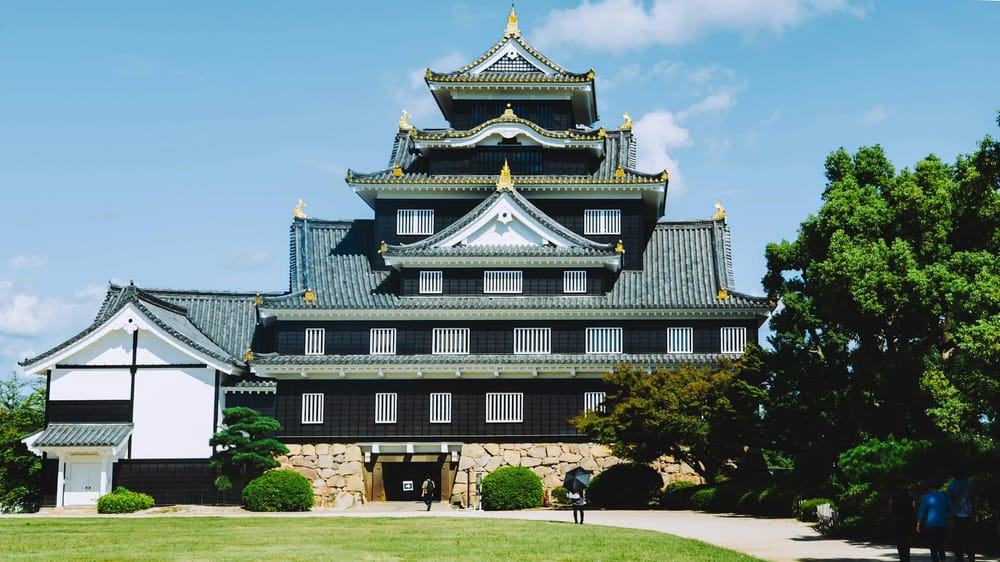
Yes, they are directly across the Asahi River from each other, connected by the Tsukimi Bridge and by the seasonal peach-shaped boat. Most travelers see both in a single half-day visit, then spend the rest of the day exploring central Okayama City. Both are well-served by the Okaden tram from Okayama Station.
Is Hiruzen worth the trip from Okayama City?
Hiruzen is about 90 minutes to 2 hours by car from Okayama City and rewards travelers who want highland scenery, stargazing, herb gardens, and seasonal snow sports. It is best treated as either an overnight or a long day trip with a rental car. If your itinerary is short and city-focused, Korakuen and Kurashiki are higher priorities.
Can I do a tea ceremony at Korakuen without speaking Japanese?
Tea ceremony sessions at Korakuen are typically conducted in Japanese, but some sessions offer English explanation or pamphlet support; this varies by season and host. Confirm with the Korakuen Garden official site before visiting if English-language support is essential to your experience.
How current is this guide?
Every venue, certification claim, and access detail in this guide was re-verified in May 2026 against the official Okayama Prefecture tourism site, each venue's own website where available, and the Maniwa City and Korakuen Garden official pages. Fruit-farm seasons and snow-resort opening dates change yearly; always reconfirm with the farm or resort directly before traveling.
Verdict
Okayama is one of the more thoughtfully prepared destinations in western Japan for Muslim travelers, thanks to the prefecture's Peach Mark certification program. The trade-off is that the absolute number of halal-certified venues is smaller than in Tokyo or Osaka, so this is a destination that rewards advance planning more than spontaneous exploration.
Our recommendation for a first visit:
- 2 days, city-focused: Korakuen Garden, Okayama Castle, a sushi-making class, and a stroll through central Okayama in a kimono.
- 3 days, balanced: Add a Kibiji cycling day or a Kibitsu Shrine visit.
- 4+ days, full prefecture: Extend into Hiruzen for stargazing, the Bear Valley snow resort in winter, or Kanba Falls and Yubara Onsen.
Pair this with the Halal Navi app to locate Peach Mark and other Muslim-friendly venues in real time, and you have a workable Okayama itinerary that respects your dietary and worship needs.
Sources & references
- Okayama Prefecture Official Tourism Site (English) — okayama-japan.jp/en, accessed May 13, 2026. Accessed 2026-05-16.
- Okayama Korakuen Garden Official Site (English) — okayama-korakuen.jp/section/english/, accessed May 13, 2026. Accessed 2026-05-16.
- GREENable Hiruzen Official Site — greenable-hiruzen.jp, accessed May 13, 2026. (URL no longer accessible — verified 2026-05-16.)
- Maniwa City Tourism Site (Kanba Falls, Yubara Onsen) — maniwa.gr.jp, accessed May 13, 2026. (URL no longer accessible — verified 2026-05-16.)
- JR Central Sanyo Shinkansen booking and schedules (English) — global.jr-central.co.jp/en/, accessed May 13, 2026. Accessed 2026-05-16.
- NPO Japan Halal Association (JHA) — jhalal.com, accessed May 13, 2026. Accessed 2026-05-16.
- Japan Halal Foundation — jhalalfoundation.com, accessed May 13, 2026. (URL no longer accessible — verified 2026-05-16.)
About this article
Author: Aisha Rahman is a writer on Halal Navi's editorial team. She covers regional Japan travel for Muslim visitors, with a focus on verifying certification status and current operating conditions before publication.
Reviewer: This article was reviewed by Halal Navi's Halal Verification Team, which cross-checks each claim against the cited primary source. See our editorial standards for the full review process.
Update policy: We re-verify every claim in this article quarterly. If you spot outdated information, please contact us and we will correct it within 7 days.
Disclosure: Halal Navi receives no advertising revenue from any venue, farm, or activity mentioned in this article. The Peach Mark program is run by Okayama Prefecture and is not a commercial partnership with Halal Navi.
Last verified: 2026-05-13