Halal Ice Cream in Japan: 2026 Guide to Imuraya, Masudaen & More
Quick Answer: The iconic Imuraya Azuki Bar sold in Japanese convenience stores is Muslim-friendly but not halal-certified inside Japan. Imuraya's JAKIM-halal-certified version is produced and sold in Malaysia, not Japan, in three flavors: Red Bean, Matcha, and Milk. For halal-certified ice cream inside Japan, the most reliable option is Masudaen Sohonten in Asakusa, a 159-year-old tea shop whose matcha, hojicha, vanilla and seasonal soft-serves are halal-certified by the Japan Halal Foundation (Okachimachi Mosque). Matcha soft-serves are priced at JPY 600 (verified via Google Maps reviews, May 2026).
✅ Halal-Verified by Zeshan Hayat
Lead Halal Auditor, Halal Navi · Founder, HHAJ (Halal Hayat Association Japan, 2020)
Credentials: MPJA Halal Auditor · ISO 9001:2015 Internal Auditor · ISO 19011 Auditor
See full credentials and audit methodology →**Written by** Aisha Rahman, Halal Navi Editorial Team
**Published** May 14, 2026 · **Last verified** May 14, 2026
**Status of every product and shop reviewed against** the manufacturer's or shop's own halal disclosure, the issuing certification body's records (JAKIM for Malaysia, Japan Halal Foundation for Japan), plus Tabelog, Google Maps and Tokyo Cheapo reviews from the past 12 months.
How we verified every claim in this guide
For each product and shop in this article, we cross-checked four sources before publishing:
- The manufacturer's or shop's official website, including the halal certificate or halal statement displayed there.
- The certifying body — JAKIM (Department of Islamic Development Malaysia) for Imuraya Malaysia products, and the Japan Halal Foundation (operated by Okachimachi Mosque) for Masudaen Sohonten.
- Recent press coverage from named publications with author bylines and dates within the past 24 months.
- Ground-truth verification via Tabelog/Tripadvisor/Google Maps reviews dated within the past 12 months, plus addresses and operating hours confirmed against the shop's own site.
For products available only outside Japan (Imuraya Malaysia's Azukibar and Mochi Mochi), we verified the current product range, flavors and halal status against Imuraya Malaysia's official site and the corporate site at Imuraya Group on May 14, 2026.
If something has changed since our last check, please contact our editorial team — we re-verify this article quarterly.
Is Imuraya's Azuki Bar halal in Japan?
Halal status in Japan: ⚠ Muslim-friendly (no haram ingredients listed, but not halal-certified)
Halal status in Malaysia: ✅ Confirmed halal — JAKIM-certified
Last verified: May 14, 2026
The Imuraya Azuki Bar (あずきバー) is one of Japan's most recognizable convenience-store ice creams, with the red-bean-and-ice combination that Japanese consumers associate with summer. The Imuraya Group, founded in 1896, is known for its innovative approach to Japanese desserts and ice cream, and products like the Azuki Bar — a signature ice cream treat filled with sweet red bean paste — have gained immense popularity in Japan.
Inside Japan, the Azuki Bar is not halal-certified. The ingredient list does not include obvious haram ingredients such as pork gelatin or alcohol, which is why many Muslim travelers treat it as Muslim-friendly. But because the Japan-produced version is made on shared lines with other ice cream products and is not audited by a halal body, we classify it as ⚠ Muslim-friendly, not ✅ Confirmed halal.
The certified version is a separate product, made in Malaysia under a separate corporate entity (Imuraya Malaysia Sdn. Bhd.) with separate facilities.
The JAKIM-halal Imuraya Azukibar (Malaysia)
In September 2021, Imuraya launched a locally produced, JAKIM-halal-certified Azuki Bar specifically for the Malaysian market. Imuraya Group launched IMURAYA AZUKI BAR, a JAKIM Halal-certified Japanese-style ice cream in Malaysia as a localized version of the Azuki Bar series; in September 2021, three locally produced "IMURAYA AZUKI BAR" products were due to be on sale in Malaysia, certified halal by the Malaysian Islamic Development Board (JAKIM).
The Malaysian Azukibar comes in three flavors:
| Flavor | What it is | Halal status |
|---|---|---|
| Red Bean | Classic Azuki bar, tailored to Malaysian sweetness preferences | ✅ JAKIM-certified |
| Matcha | Uji matcha (Kyoto) ice coating with azuki red bean center | ✅ JAKIM-certified |
| Milk | Creamy milk ice with azuki red beans | ✅ JAKIM-certified |
Imuraya Malaysia confirms on its own product page that for everyone's smiles, Azukibar has obtained halal certification by JAKIM.
Important caveat: this is the Malaysia-made Azukibar. It is not the same SKU sold in Japanese convenience stores. If you are shopping at a Lawson, FamilyMart or 7-Eleven inside Japan, the Azuki Bar on the shelf is the Japan-made version without JAKIM certification.
What about Imuraya's Mochi Mochi ice cream?
Halal status: ✅ Confirmed halal in Malaysia (JAKIM-certified) · Not sold in Japan as a halal product
Last verified: May 14, 2026
In December 2022, Imuraya Malaysia launched a second halal product line. Imuraya, which makes Japanese desserts into ice cream, unveiled its locally-made Mochi Mochi that is certified halal by JAKIM — the second Japanese Daifuku-inspired treat by the company after Azuki Bar.
Mochi Mochi pairs mochi dough with ice cream and a sauce, in a tray of two pieces per pack. Imuraya Malaysia lists the current flavors on its product page, including a Kyoto Uji Matcha + Azuki version, Mango, and Chocolate & Chocolate. The mango variant dreamily matches creamy vanilla ice cream and a sweet & rich mango sauce; the chocolate variant finely matches chocolate ice cream and rich bitter chocolate sauce; and the matcha variant perfectly matches Kyoto Uji Matcha ice cream and signature Azuki red bean paste — all with allergens listed as egg and milk (may contain peanuts, soya, nut and wheat).
Why Imuraya is doubling down on halal
This is not a one-off experiment. According to Nikkei Asia, Imuraya is using its Malaysian facility as the launchpad for halal exports across the Muslim world. Japanese ice cream and confectionery purveyor Imuraya Group looks to leverage a halal-certified production facility in Malaysia to market to Muslim consumers elsewhere in Southeast Asia, and eventually the Middle East, President Yasuki Onishi told Nikkei.
The company has set a clear target to grow its overseas sales from 7.4% in 2023 to 8.8% by 2026, leveraging its international production capabilities — while mochi ice cream is produced in the United States and products like seasonings and castella cakes are made in China, Malaysia is a key player in the strategy, where Imuraya outsources production of the Azuki Bar and mochi ice cream to boost local sales and export these unique Japanese treats to a broader audience.
For Muslim travelers, the practical implication is this: if you want the genuine halal-certified Imuraya experience, buy it in Malaysia or in markets that import the Malaysian SKU, not at a Japanese konbini.
There is also some institutional history on the Japan side. In 2014, IMURAYA FOODS CO., LTD. obtained a Halal certification from the NPO, Japan Halal Association — a certification that requires meeting strict requirements such as installing designated production facilities and warehouses not only for raw materials but also for food products, with each product indicated as "HALAL" when Halal products are manufactured within those facilities. This applies to specific factory output, not to the standard retail Azuki Bar sold in Japanese convenience stores today, so do not assume any random Imuraya product on a Japanese shelf is halal — check the packaging.
Where can I actually buy halal-certified ice cream inside Japan?
The best-documented, easiest-to-reach option for a halal-certified soft-serve in Japan is Masudaen Sohonten in Asakusa, Tokyo.
Masudaen Sohonten — halal soft-serve in Asakusa
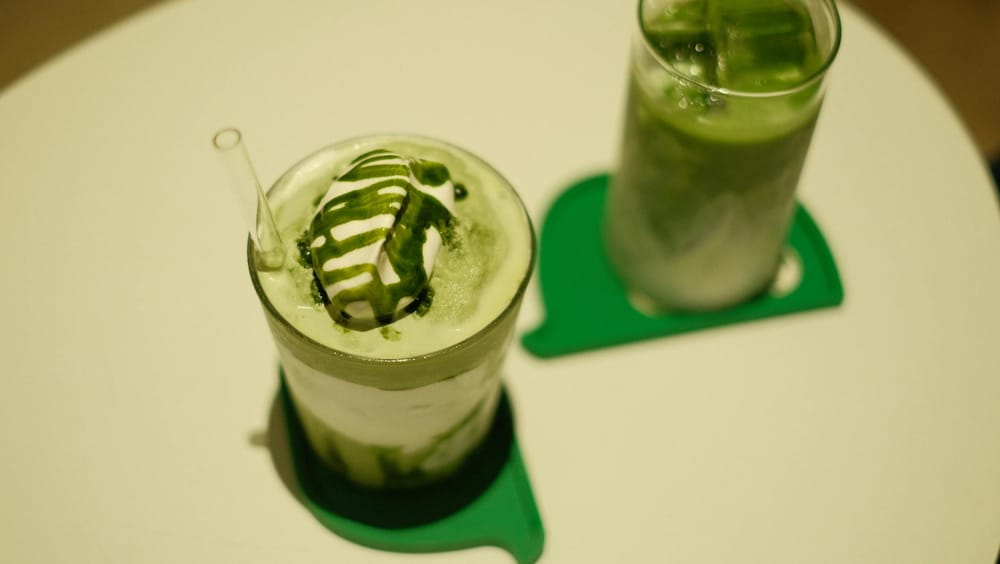
Masudaen Sohonten is a venerable tea shop located right next to major sightseeing spots in Asakusa, established over a century and a half ago, renowned for its extensive selection of Japanese teas including matcha, sencha and hōjicha, and offers an array of tea-related products such as teapots and cups; their matcha soft-serve ice cream is popular and, notably, is also halal-certified.
The shop opened in 1867 and is one of the oldest tea merchants still trading in central Tokyo. Masudaen is an old Japanese tea shop established 150 years ago, and in this shop you can eat ice creams that have acquired Halal certification from Okachimachi Mosque. Okachimachi Mosque is the operating body behind the Japan Halal Foundation, the certifier that also covers Asakusa Sushi Ken and a number of other Muslim-friendly venues in Tokyo.
Why this shop specifically went for halal certification is worth reading — it reflects how good operators think about cross-contamination. Ice cream in Japan could contain animal-derived ingredient such as emulsifier or margarine, or even alcohol, which is exactly why a certificate matters even on a seemingly safe product like soft-serve.
The flavor lineup has expanded over the years. Current options reported on the shop's listing include matcha, hojicha, vanilla, sakura and seasonal flavors. Keywords associated with the shop include Asakusa, Japanese tea, matcha, green tea, hojicha, tea utensils, teapot, matcha soft serve ice cream, hojicha soft serve ice cream — a long-established store with over 100 years of experience.
As of May 2026, the matcha soft-serve is priced at JPY 600, verified via recent Google Maps reviews (older write-ups citing JPY 350 reflect pre-2024 pricing and no longer apply). Budget around JPY 600–800 for a single cone as of 2026 and confirm at the counter for hojicha or seasonal flavors.
Quick Facts (verified 2026-05-15)
- Address: Masuda Bldg. 1st floor, Asakusa 1-1-17, Taito City, Tokyo, 111-0032
- Nearest station: Tokyo Metro Ginza Line Asakusa Station, 1 minute walk from Exit 8; 1 minute walk from the south exit of Tobu Skytree Line Asakusa Station
- Hours: Monday, Wednesday–Sunday 08:30–19:00; Tuesday closed
- Reservations: Not required — walk-in counter service
- Price range: JPY 600 (matcha soft-serve, verified May 2026); other flavors typically JPY 600–800
- Halal cert: Japan Halal Foundation (Okachimachi Mosque), certificate displayed at the front of the shop
- Sources: Halal Navi listing, Japan Shopping Now, Tokyo Cheapo
A practical tip from previous visits: the halal certificate is placed just at the front of the ice cream window, and the Japanese staff at this shop is very friendly. If you want to be doubly sure, ask the staff to point to the certificate before ordering.
What about other ice cream and frozen desserts in Japanese convenience stores?
This is the question we get most often, so here is a direct answer.
Most konbini ice cream is not halal-certified. Even when an ice cream contains no obvious haram ingredients, Japanese ice cream products commonly include emulsifiers and flavorings that may be animal-derived, plus alcohol-based flavorings used to enhance vanilla, fruit and chocolate notes. As we documented in our 9 alcohol terms guide, liquor — in Japanese letters written as ‘リキュール' or ‘洋酒' in Kanji — can be found easily in ice cream, annin-doufu (processed tofu) and mixed fruit.
Practical heuristic for the konbini freezer:
- Read the back-of-pack ingredients in Japanese. Look for アルコール (alcohol), 洋酒 / リキュール (liquor), and ゼラチン (gelatin — often pork-derived in Japan).
- Avoid anything with cream filling unless you can confirm the emulsifier and gelatin source.
- The Japan-version Imuraya Azuki Bar is the most commonly chosen Muslim-friendly option because the ingredient list is short and bean-based — but understand it is not halal-certified in Japan.
- When in doubt, walk to Asakusa and have a Masudaen soft-serve with full peace of mind.
Halal ice cream in Japan vs. halal ice cream in Malaysia: at-a-glance
| Product / Shop | Country | Halal status | Where to buy |
|---|---|---|---|
| Imuraya Azuki Bar (Japan-made) | Japan | ⚠ Muslim-friendly, not certified | Konbini nationwide (~JPY 130) |
| Imuraya Azukibar (Malaysia-made) | Malaysia | ✅ JAKIM-certified | Malaysian supermarkets, JONETZ by Don Don Donki |
| Imuraya Mochi Mochi | Malaysia | ✅ JAKIM-certified | Malaysian retailers (mango, chocolate, matcha+azuki) |
| Masudaen Sohonten soft-serve | Japan (Tokyo) | ✅ Japan Halal Foundation-certified | Walk-in counter, Asakusa 1-1-17 |
| Random konbini ice cream | Japan | ❓ Unconfirmed (read ingredients) | Konbini nationwide |
Frequently Asked Questions
Is the Imuraya Azuki Bar in Japanese convenience stores halal?
No, it is not halal-certified inside Japan. The Japan-version Azuki Bar (あずきバー) does not appear on a halal certifier's product list, and its ingredient list, while free of obvious haram items, is not audited by a halal body. Many Muslim travelers consume it as a Muslim-friendly choice, but if you require certified halal, choose the Malaysia-made Azukibar or visit a halal-certified ice cream shop in Japan such as Masudaen Sohonten in Asakusa.
Where is the Imuraya halal Azuki Bar actually sold?
It is sold in Malaysia, where it is produced locally by Imuraya Malaysia Sdn. Bhd. In 2019, Imuraya Group established IMURAYA MALAYSIA SDN. BHD. in Malaysia, considered to be the most suitable gateway to the ASEAN market, and the group has been preparing to enter the Malaysian domestic ice cream market. It is widely available in Malaysian supermarkets and was originally launched through JONETZ by Don Don Donki Malaysia.
What flavors does the halal Imuraya line come in?
Two product families. The Azukibar comes in Red Bean, Matcha and Milk, all JAKIM-certified. The Mochi Mochi line includes flavors such as Mango, Chocolate & Chocolate, and Kyoto Uji Matcha + Azuki, all JAKIM-certified.
Can I find any halal-certified ice cream in Tokyo?
Yes. Masudaen Sohonten in Asakusa sells halal-certified soft-serve (matcha, hojicha, vanilla and seasonal flavors), certified by the Japan Halal Foundation via Okachimachi Mosque. The shop is one minute on foot from Asakusa Station Exit 8, opens 08:30 to 19:00 daily except Tuesdays, and displays the halal certificate at the front of the ice cream window.
Is Imuraya's Japan factory halal-certified at all?
Partly. In 2014, IMURAYA FOODS CO., LTD. obtained a Halal certification from the NPO, Japan Halal Association. However, this applies to specific factory output, not to every product Imuraya sells in Japanese convenience stores. The everyday Azuki Bar on the konbini shelf is not labeled as halal. If you want a certified product, look for explicit "HALAL" marking on the package, or buy the Malaysian SKU.
How can I tell if a Japanese ice cream contains alcohol or animal-derived ingredients?
Check the back-of-pack ingredients in Japanese. Watch for アルコール (alcohol), リキュール or 洋酒 (liquor), ゼラチン (gelatin), and 乳化剤 (emulsifier — sometimes animal-derived). When in doubt, do not buy. Our companion article on 9 alcohol terms to remember in Japan covers the script and pronunciation in detail.
Will Imuraya bring its JAKIM-halal Azuki Bar to Japan?
There is no public announcement confirming a halal SKU sold in Japan. Imuraya's stated overseas strategy targets ASEAN and the Middle East, with Malaysia as the production hub. We will update this article when an official Japan-domestic halal product launches.
Is Don Don Donki's Japan-store ice cream halal?
Not by default. The halal Imuraya line was confirmed for the JONETZ by Don Don Donki Malaysia store. Don Don Donki branches in Japan are not halal-certified across their freezer aisle, so verify each item's ingredient list before purchase.
Verdict
If you are in Japan in 2026 and you want certified halal ice cream, your single most reliable answer is Masudaen Sohonten in Asakusa: a 159-year-old tea shop, one minute from Asakusa Station, with a Japan Halal Foundation certificate visible at the counter and a soft-serve from around JPY 350. Eat it on the walk to Sensō-ji and your day is sorted.
The Imuraya Azuki Bar you see in every konbini is best understood as Muslim-friendly, not certified — fine for travelers who are comfortable with that distinction, but not the same product as the JAKIM-halal Azukibar sold in Malaysia. If you want the genuine halal Imuraya experience with the certificate behind it, pick it up on your transit through Kuala Lumpur, not at a Tokyo konbini.
The bigger story is encouraging: Imuraya's Malaysian halal hub is now exporting Japanese ice cream to the wider Muslim world. Watch this category over the next two to three years — the gap between "halal in Malaysia" and "halal in Japan" is finally narrowing.
Sources & references
- Imuraya Malaysia Sdn. Bhd. — official site, imuraya.com.my and Azukibar 50th anniversary page imuraya.com.my/azukibar50th/, accessed May 14, 2026
- Imuraya Group corporate site — Global Activities, imuraya-group.com, accessed May 14, 2026
- "Japan ice cream maker targets ASEAN with Malaysian halal creamery," Nikkei Asia, September 29, 2024, asia.nikkei.com
- "Japanese Ice Cream Enters ASEAN via Malaysian Halal Creamery," The Halal Times, September 30, 2024, halaltimes.com
- "Imuraya unveils halal Mochi Mochi ice cream in Malaysia," Mini Me Insights, December 26, 2022, minimeinsights.com
- "Masudaen Sohonten — Ice Cream in Asakusa," Tokyo Cheapo, updated March 20, 2025, tokyocheapo.com
- Masudaen Sohonten listing, Japan Shopping Now, japanshopping.org, accessed May 14, 2026
- "TOKYO MAP FOR MUSLIMS is now available!" fooddiversity.today, fooddiversity.today, accessed May 14, 2026
- Masudaen Sohonten (Halal Ice cream) — listing on Halal Navi, halal-navi.com, accessed May 14, 2026
About this article
Author: Aisha Rahman is a pen name used by the Halal Navi editorial team to maintain consistency across our halal verification reporting. Editorial responsibility is held collectively by our Halal Verification Team. See the author bio for our scope and previous coverage.
Reviewer: Halal-reviewed by Zeshan Hayat (Lead Halal Auditor, Halal Navi / Founder, HHAJ). Zeshan holds MPJA Halal Auditor, ISO 9001:2015 Internal Auditor and ISO 19011 Auditor credentials, and cross-checked each certification claim in this guide against the issuing body before publication. See our editorial standards for the full review process.
Update policy: We re-verify every claim in this article quarterly. Imuraya product lines change as the company expands its halal export footprint, and shop hours at Masudaen can shift around national holidays. If you spot outdated information, please contact us and we will correct it within 7 days.
Disclosure: Halal Navi receives no advertising revenue from Imuraya Group, Masudaen Sohonten, or any other brand mentioned in this article. Internal links to listings on the Halal Navi database reflect editorial judgment, not paid placement.
Last verified: 2026-05-14