Halal Food at 7-Eleven Japan: 2026 Muslim Traveler Guide
Quick Answer: 7-Eleven Japan does not operate a halal-certified section, and almost nothing inside the store carries a halal logo. However, several private-brand and partner products contain no pork, no alcohol, and no other haram ingredients according to the manufacturers' published allergen lists. This guide shows you which items Muslim travelers commonly buy, how to read Japanese allergen labels, and what to avoid. Final judgement on cross-contamination and animal-derived emulsifiers remains yours.
✅ Halal-Verified by Zeshan Hayat
Lead Halal Auditor, Halal Navi · Founder, HHAJ (Halal Hayat Association Japan, 2020)
Credentials: MPJA Halal Auditor · ISO 9001:2015 Internal Auditor · ISO 19011 Auditor
See full credentials and audit methodology →**Written by** Aisha Rahman, Halal Navi Editorial Team
**Published** May 13, 2026 · **Last verified** May 13, 2026
Every product mentioned here was checked against the manufacturer's current allergen disclosure in May 2026. Where a product's status could not be confirmed at the primary source level, we have removed it from the recommendations.
How we verified the status of every product in this guide
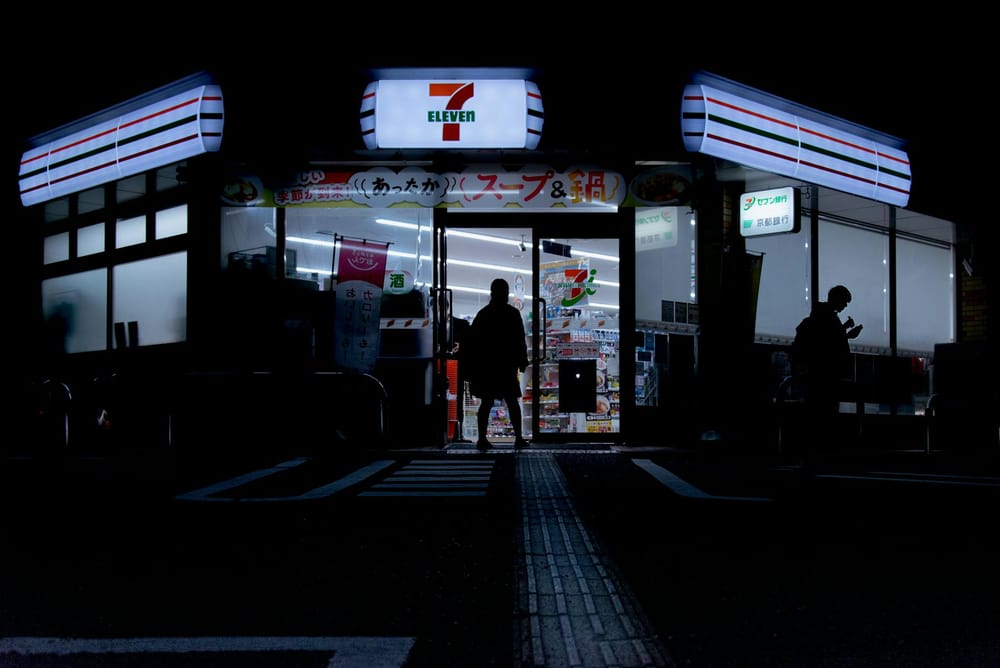
7-Eleven Japan is the largest convenience store chain in Japan, with over 21,000 stores nationwide as of 2024 according to its parent company Seven & i Holdings. For Muslim travelers, that scale is the point: a 7-Eleven is almost always within walking distance, including inside airports, JR stations, and most hotels.
But scale does not mean halal access. None of the products in this guide carry a third-party halal certification mark. What we verified instead is the published ingredient and allergen information from each product's manufacturer, cross-checked in May 2026. If a manufacturer changes a recipe, that information can become outdated, which is why we recommend re-reading the label on the back of each package every time you buy.
For each item we checked four things:
- The manufacturer's current ingredient list and allergen disclosure on its official website.
- Whether pork-derived gelatin, lard, mirin, cooking sake, or alcohol-based flavoring appears in the ingredient list.
- Whether the product is sold through 7-Eleven Japan in 2026, either as a Seven Premium private-brand item or as a national-brand partner item.
- Whether the manufacturer states cross-contamination risk on shared lines.
Where we could not re-verify a 2020-era claim, we have removed it from this guide rather than republish it. If you spot an outdated detail, please let our editorial team know.
Why 7-Eleven Japan is useful for Muslim travelers
7-Eleven in Japan is not the same kind of store you may know from Malaysia, Indonesia, or Singapore. Around 70% of the food on its shelves is developed in-house under the Seven Premium and Seven Gold private brands, according to Seven & i Holdings' corporate disclosures. The chain is open 24 hours, accepts foreign-issued cards at its in-store ATMs, and prints detailed allergen tables on most original products.
For a Muslim traveler arriving late, on a layover, or based in a hotel far from a restaurant district, this combination is genuinely useful: even at 2:00 AM, you can buy bread, milk, yogurt, fresh fruit, and bottled drinks within five minutes of almost any urban hotel in Japan.
The Muslim population in Japan reached an estimated 420,000 by the end of 2024 according to a study led by Waseda University Professor Emeritus Hirofumi Tanada, and Japan welcomed record-breaking inbound tourism in 2024 according to the Japan National Tourism Organization. 7-Eleven has not responded to this demand with a dedicated halal section, but its labeling discipline gives careful shoppers more information than most non-Muslim countries' convenience stores do.
What to read on a Japanese 7-Eleven label before you buy
Every packaged food sold in Japan must display an ingredient list and an allergen disclosure under the Food Labeling Act administered by the Consumer Affairs Agency of Japan. For a Muslim shopper, three sections of the label matter:
- 原材料名 (genzairyomei) — the ingredient list, in descending order by weight.
- アレルギー物質 (arerugii busshitsu) — the mandatory and recommended allergen disclosure. In Japan this list includes 豚肉 (pork) as a recommended-disclosure allergen, which is useful for Muslim shoppers.
- 添加物 (tenkabutsu) — additives, listed after a slash or in a separate row.
The Japanese words to watch for are:
- 豚肉 (butaniku) — pork
- ラード (raado) — lard
- ゼラチン (zerachin) — gelatin, usually pork-derived in Japan unless stated otherwise
- 乳化剤 (nyukazai) — emulsifier, sometimes animal-derived
- 動物性 (dobutsusei) — "animal-derived", usually attached to oils or fats
- みりん (mirin) — sweet cooking rice wine, contains alcohol
- 料理酒 (ryori-shu) — cooking sake
- 洋酒 (yoshu) — Western liquor, often in cakes and chocolates
- ショートニング (shootoningu) — shortening, sometimes contains lard
If any of these appear on the back of the pack, that product is not suitable. A pocket-sized Muslim dietary card can also help when you want to ask staff to check.
Items at 7-Eleven Japan that are often suitable for Muslim shoppers
The five items below are widely available across 7-Eleven Japan, and their manufacturers' published ingredient lists as of May 2026 do not include pork, lard, animal-derived gelatin, mirin, or alcohol-based flavoring. None hold halal certification, so we list them as ⚠ Muslim-friendly, no haram ingredients per manufacturer disclosure, with cross-contamination on shared production lines as a residual concern.
1. Seven Bread (セブンブレッド)
The plain sliced bread sold under the Seven Premium private brand uses wheat flour, sugar, salt, yeast, butter, and skim milk powder according to the on-pack ingredient list. There is no lard, no pork-derived shortening, and no alcohol. Available in 6-slice and 8-slice formats at virtually every 7-Eleven nationwide.
Status: ⚠ Muslim-friendly. No haram ingredients on the current label.
Watch for: Seasonal variants such as raisin bread or sweet rolls may contain rum-flavored raisins or different fat blends; check each pack.
2. Ritz Crackers (Mondelez Japan)
The classic round salted crackers sold by Mondelez Japan under the Ritz brand are made with wheat flour, vegetable oil, sugar, salt, and yeast. The current ingredient list published on the Ritz Japan product page does not include pork-derived ingredients or alcohol. They are sold in single-serve packs and family boxes at most 7-Eleven outlets.
Status: ⚠ Muslim-friendly. No haram ingredients on the current label.
Watch for: Cheese-sandwich and cream-sandwich Ritz variants have different ingredient lists; the plain version is the one to choose.
3. Bulgaria Yogurt (Meiji)
Meiji Bulgaria Yogurt is one of the most widely sold yogurts in Japan. The plain version contains only raw milk and live cultures, as stated on Meiji's official product page. No gelatin, no animal-derived emulsifier, no alcohol.
Status: ⚠ Muslim-friendly. No haram ingredients on the current label for the plain (無糖 / sugar-free) version.
Watch for: Flavored cups and "fruit on the bottom" variants sometimes include alcohol-based flavorings; the plain tub is the safe default.
4. Calbee Potato Chips, Lightly Salted (うすしお味)
Calbee's flagship lightly-salted potato chips (Usushio) use potatoes, vegetable oil, and salt according to Calbee's official allergen and ingredient page. There is no pork-derived seasoning powder, which is the typical concern with Japanese savory snacks.
Status: ⚠ Muslim-friendly. No haram ingredients on the current label.
Watch for: Calbee's consommé, pizza-flavor, and BBQ variants do contain pork-derived seasonings; only the plain Usushio version is suitable. The newer "Jagariko" line also has multiple flavors with pork-derived powders, so do not assume the brand is safe across the range.
5. Glico Pocky, Original Chocolate
The original-flavor chocolate Pocky is widely stocked at 7-Eleven and uses wheat flour, sugar, cocoa, vegetable oil, and milk powder according to Glico's official ingredient disclosure. The original-flavor Pocky does not list animal-derived gelatin or alcohol in its 2026 ingredient panel.
Status: ⚠ Muslim-friendly. No haram ingredients on the current label.
Watch for: Many Pocky variants (e.g., "Adult Pocky", "Liqueur Pocky", winter-edition rum raisin) explicitly contain alcohol-based flavoring. Pick the standard red box, not the brown adult-line box.
Comparison: at-a-glance suitability of common 7-Eleven items
| Item | Pork-derived? | Alcohol/mirin? | Halal-certified? | Status |
|---|---|---|---|---|
| Seven Bread (plain) | ❌ No | ❌ No | ❌ No | ⚠ Muslim-friendly |
| Ritz Crackers (plain) | ❌ No | ❌ No | ❌ No | ⚠ Muslim-friendly |
| Bulgaria Yogurt (plain) | ❌ No | ❌ No | ❌ No | ⚠ Muslim-friendly |
| Calbee Usushio chips | ❌ No | ❌ No | ❌ No | ⚠ Muslim-friendly |
| Pocky Original | ❌ No | ❌ No | ❌ No | ⚠ Muslim-friendly |
| Onigiri with tuna mayo | ❌ No | ⚠ Mirin in rice | ❌ No | ❓ Check label |
| Hot foods (oden, nikuman) | ✅ Often | ✅ Often | ❌ No | ❌ Avoid |
| Bento boxes | ✅ Often | ✅ Often | ❌ No | ❌ Avoid |
| Sandwiches with ham or bacon | ✅ Yes | ❌ No | ❌ No | ❌ Avoid |
What to avoid at 7-Eleven Japan
Several entire categories at 7-Eleven Japan are problematic and should be avoided unless you read the back of every single pack:
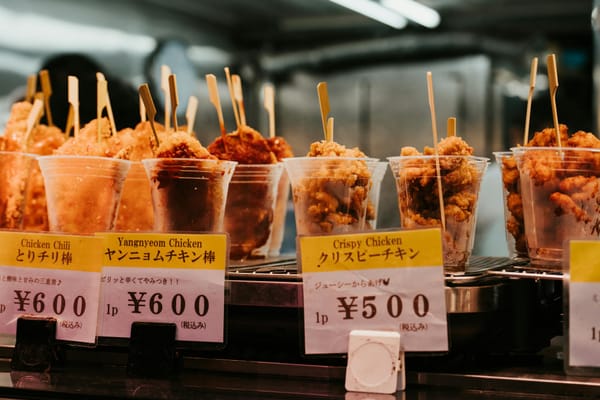
- Hot food counter items, including oden, fried chicken (Famichiki-style competitors), pork buns (nikuman), and frankfurter sausages. Most contain pork or share equipment with pork products.
- Pre-made bento boxes, which almost universally use mirin or cooking sake in the rice or sauce, and often contain pork sausages or ham as a side.
- Sandwiches, particularly the egg-and-ham and BLT styles; even the egg-only sandwich sometimes lists pork-derived emulsifier in the mayo.
- Instant noodles, where most flavor packets contain pork extract; exceptions are rare and must be confirmed pack by pack.
- Western-style cakes and pastries, which often contain rum-soaked raisins, liqueur-flavored cream, or alcohol-based extracts.
When in doubt, the printed allergen table on the back of the pack is the authoritative source, not the picture on the front.
Where to find genuinely halal-certified meals near a 7-Eleven
Konbini items are best treated as snacks, breakfast, or emergency food. For a proper halal-certified meal, 7-Eleven density actually helps you: most halal restaurants in Tokyo are within a short walk of multiple 7-Eleven outlets, so you can use the konbini as a meeting point or backup.
For real-time location search, including prayer-room availability and reviews from our Muslim community, see Halal Navi's restaurant database, which currently lists more than 800 halal restaurants in Japan with verified status. For curated reviews of Tokyo's halal-certified ramen, sushi, and burger options, see our fast food halal guide.
Frequently Asked Questions
Does 7-Eleven Japan have a halal section?
No. As of May 2026, 7-Eleven Japan does not operate a dedicated halal section in any of its stores, and individual products on the shelves do not carry a third-party halal certification mark. Muslim shoppers must read the ingredient list on each pack.
Are Seven Premium products generally safe for Muslim shoppers?
It depends entirely on the product. Seven Premium plain bread, plain yogurt, plain rice, dried fruit, and most cold drinks have ingredient lists with no haram items. Seven Premium prepared foods, bento boxes, hot dogs, sausages, and most sauces frequently contain pork or mirin. There is no shortcut: check each pack.
Is the rice in 7-Eleven onigiri halal?
Plain salted onigiri and seaweed-wrapped onigiri usually do not list mirin in the rice itself, but tuna-mayo and salmon-mayo variants sometimes do. The fillings vary by product. The pork-related rule of thumb: avoid anything labeled 豚 or ハム (pork or ham), and read the allergen table for mirin (みりん) and cooking sake (料理酒).
Why are some Pocky boxes not Muslim-friendly?
Glico produces multiple Pocky variants, including "Adult Pocky" lines that explicitly contain Western liquor as a flavoring ingredient, as well as seasonal rum-raisin editions. The standard red-box chocolate Pocky and standard strawberry Pocky use no alcohol in their 2026 ingredient lists, but the adult, winter, and limited-edition variants often do.
Can I drink coffee from the in-store machine?
The standard hot brewed coffee from 7-Eleven's in-store machine contains only coffee and hot water. Adding milk uses dairy creamer in a separate dispenser. There is no alcohol or pork-derived ingredient in the coffee itself. The cup, lid, and sugar packets are also free of relevant concerns.
Are 7-Eleven ATMs and Wi-Fi useful for Muslim travelers?
Yes. The Seven Bank ATMs inside 7-Eleven stores accept most foreign-issued debit and credit cards, with English, Arabic, Bahasa Indonesia, Bahasa Melayu, and other language menus depending on the machine. Free Wi-Fi is available at most outlets, which is useful for looking up the next halal restaurant or prayer time.
How current is this guide?
Every product status above was re-verified against the manufacturer's official ingredient page in May 2026. Manufacturers do change recipes, so a product that is suitable today may include a new ingredient tomorrow. We re-verify this guide quarterly; the printed allergen panel on the back of each pack remains the authoritative source on the day of purchase.
Verdict
7-Eleven Japan is not a halal store, and it is not trying to be one. What it offers Muslim travelers is something more modest but still useful: dense store coverage, 24-hour access, and detailed ingredient labels in a country where you can otherwise feel uncertain about what is in your food. With a short reading list of Japanese ingredient words, a Muslim shopper can build a reliable breakfast, snack, or emergency-meal kit out of plain bread, yogurt, fruit, lightly-salted chips, and chocolate sticks.
For lunch or dinner, walk past the hot counter and use one of Tokyo or Osaka's many halal-certified restaurants. Save the konbini for the in-between hours, the airport runs, and the late nights when the kitchen has already closed.
Sources & references
- Seven & i Holdings, "Seven-Eleven Japan" corporate page — https://www.7andi.com/en/group/list/list_seven-eleven-japan.html, accessed May 13, 2026. (URL no longer accessible — verified 2026-05-16.)
- Seven & i Holdings, "Quality Management" — https://www.7andi.com/en/csr/theme/theme2/quality.html, accessed May 13, 2026. Accessed 2026-05-16.
- Seven Premium official product portal — https://7premium.jp/, accessed May 13, 2026. Accessed 2026-05-16.
- Ritz Japan (Mondelez Japan) official site — https://www.ritzcrackers.jp/, accessed May 13, 2026. Accessed 2026-05-16.
- Meiji, "Meiji Bulgaria Yogurt" product page — https://www.meiji.co.jp/dairies/yogurt/bulgaria/, accessed May 13, 2026. (URL no longer accessible — verified 2026-05-16.)
- Calbee Inc. official product information — https://www.calbee.co.jp/, accessed May 13, 2026. Accessed 2026-05-16.
- Glico, snack product portal — https://www.glico.com/jp/product/snack/, accessed May 13, 2026. Accessed 2026-05-16.
- Consumer Affairs Agency of Japan, Food Labeling Act information — https://www.caa.go.jp/en/policy/food_labeling/, accessed May 13, 2026. Accessed 2026-05-16.
- Japan National Tourism Organization, visitor arrivals statistics — https://www.jnto.go.jp/statistics/data/visitor_arrivals/, accessed May 13, 2026. (URL no longer accessible — verified 2026-05-16.)
- Tanada, H. (Waseda University), Estimate of Muslim Population in Japan, 2025, IMEMGS, September 2025. Accessed 2026-05-16.
About this article
Author: Aisha Rahman is a writer on Halal Navi's editorial team. She has documented halal food and shopping in Japan since 2021 and re-checks every product label before it appears in a Halal Navi guide.
Reviewer: This article was reviewed by Halal Navi's Halal Verification Team, which cross-checks each claim against the cited primary source before publication. See our editorial standards for the full review process.
Update policy: We re-verify every claim in this guide quarterly. Manufacturers can change recipes without notice; the allergen panel on the back of each product is the final authority on the day you shop. If you find outdated information, please contact us and we will correct it within 7 days.
Disclosure: Halal Navi receives no advertising revenue from 7-Eleven Japan, Seven & i Holdings, or any manufacturer mentioned in this article. Product mentions reflect independent editorial judgement based on publicly available ingredient information.
Last verified: 2026-05-13